5 Anger Management Tips for Veterinary Assistants
Category : |
Sub Category : Posted on 2024-01-30 21:24:53
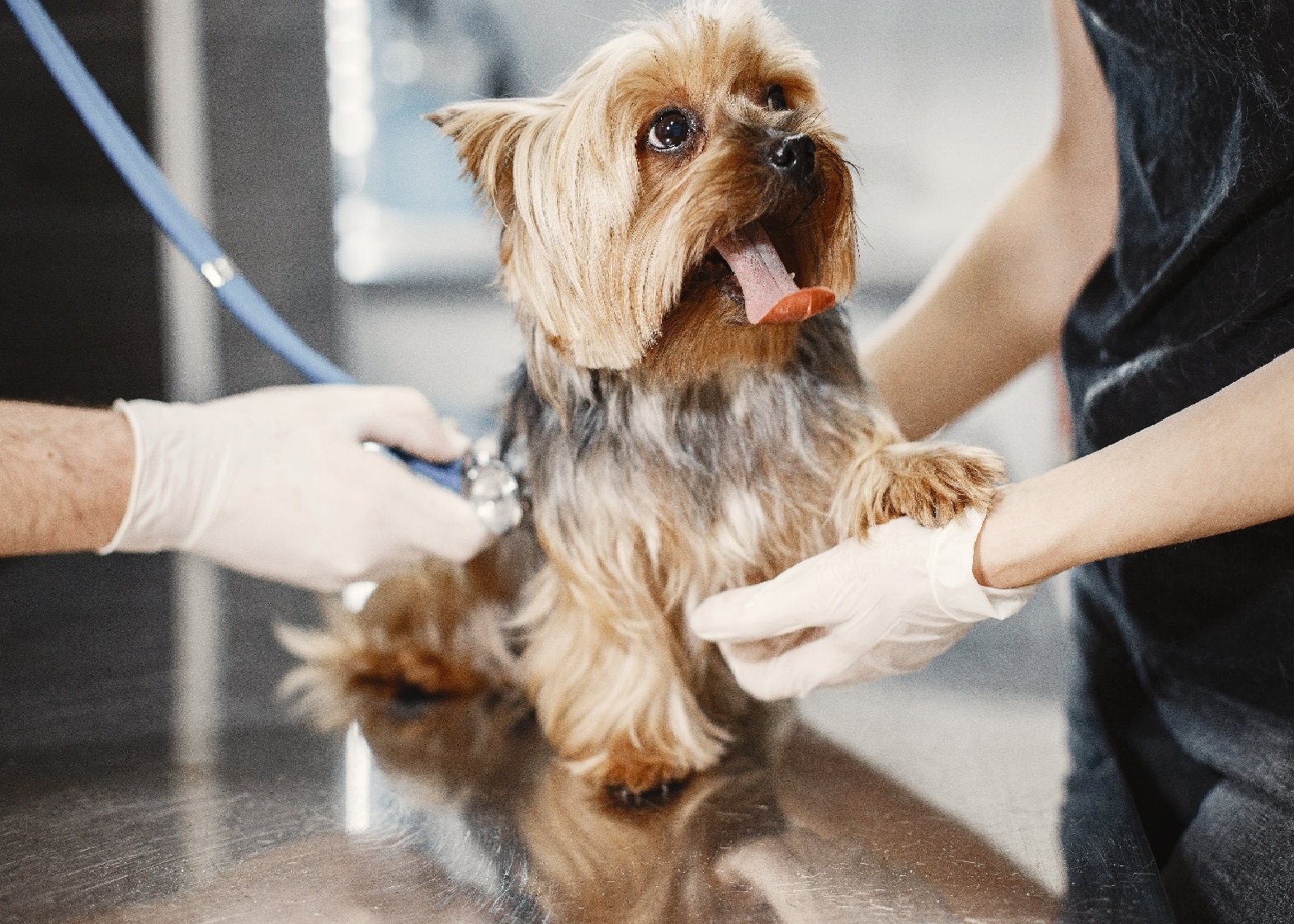
Introduction: Working as a veterinary assistant can be a rewarding career choice, but it can also be quite demanding. Dealing with stressed-out animals, difficult pet owners, and challenging situations can sometimes take a toll on your emotions. It's essential, therefore, to have effective anger management strategies in place to ensure both your well-being and the best possible care for the animals you help. In this blog post, we will explore five anger management tips specifically tailored for veterinary assistants.
1. Practice Self-Care: Taking care of your physical and mental health is crucial in managing anger. Make sure you are getting enough sleep, eating a balanced diet, and engaging in regular exercise. These activities can help reduce stress, improve mood, and boost overall well-being. Additionally, consider participating in activities that bring you joy and help you relax, such as hobbies, yoga, or meditation.
2. Develop Effective Communication Skills: Communication breakdowns can often lead to frustration and anger. As a veterinary assistant, you must improve your communication skills to express yourself clearly and avoid misunderstandings. Practice active listening, empathy, and patience when dealing with pet owners and colleagues. Learn to ask for clarification when needed and express your concerns in a respectful and constructive manner.
3. Take Breaks: Long hours in a high-pressure environment can exhaust anyone. Remember to take regular breaks throughout your workday to recharge both mentally and physically. Step away from stressful situations and find a quiet space to breathe, stretch, or engage in a calming activity. Giving yourself a chance to relax can help prevent anger from building up.
4. Develop Coping Strategies: Identify healthy coping strategies that work for you to deal with anger and frustration. Deep breathing exercises, journaling, or talking to a trusted friend or colleague can help alleviate stress. Engaging in activities that allow you to release negative emotions, such as going for a walk or practicing mindfulness, can also be effective in managing anger in a healthier way.
5. Seek Professional Support: If you find your anger becoming overwhelming or impacting your overall well-being, it may be beneficial to seek professional help. Reach out to a mental health professional or counselor who can provide specialized guidance and support. They can help you explore the root of your anger and provide you with the necessary tools to manage it effectively.
Conclusion: As a veterinary assistant, it is crucial to have anger management strategies in place to navigate the challenges that come with the job. By practicing self-care, improving communication skills, taking breaks, developing healthy coping strategies, and seeking professional support when needed, you can effectively manage anger and maintain a positive and fulfilling career in veterinary assistance. Remember, by prioritizing your well-being, you can provide the best care for the animals you help and create a harmonious work environment for yourself and your colleagues. Seeking answers? You might find them in http://www.petvetexpert.com
Seeking expert advice? Find it in http://www.qqhbo.com
also click the following link for more http://www.squabbling.org


