Uniting Cultures, Embracing Diversity: Exploring the Cultural Identity of Veterinary Assistants
Category : |
Sub Category : Posted on 2023-10-30 21:24:53
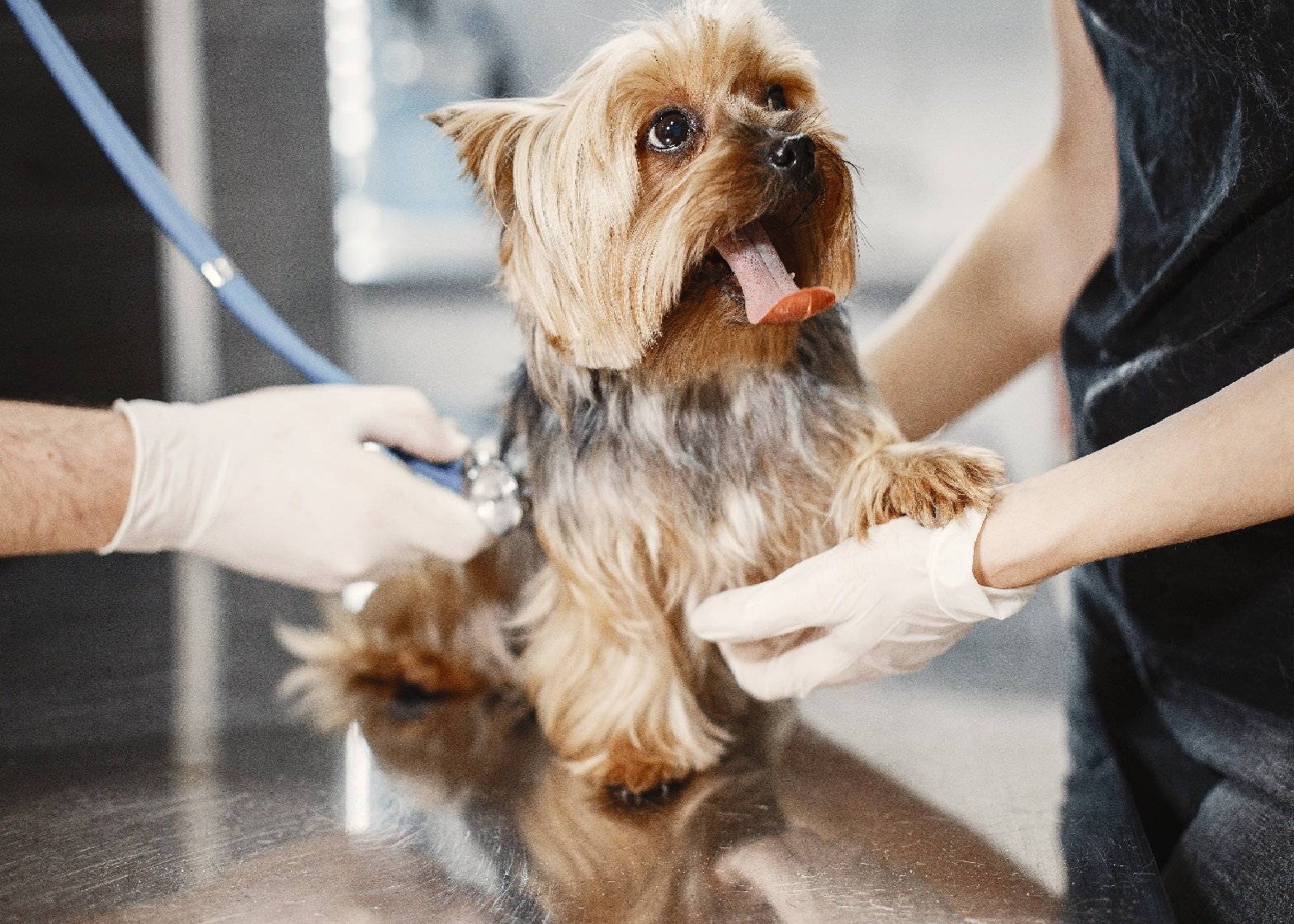
Introduction: Veterinary assistants play a vital role in the healthcare of animals, working closely with veterinarians and ensuring the well-being of our furry friends. While their primary responsibility is to provide medical care, their unique cultural identities contribute to a rich and diverse working environment. In this blog post, we will explore the culture and national identity of veterinary assistants, highlighting how their backgrounds shape their approach to animal care. 1. Celebrating Cultural Diversity within the Veterinary Assistant Community: The world of veterinary medicine is enriched by individuals from different cultures and backgrounds. Whether they come from diverse countries, regions, or ethnicities, veterinary assistants bring their unique perspectives, traditions, and experiences to the workplace. This diversity enhances teamwork, communication, and problem-solving within the veterinary assistant community, ensuring a comprehensive approach towards treating animals. 2. Cultural Traditions and Animal Care: Cultural traditions often intersect with the care and treatment of animals. For example, in some cultures, certain animals are considered sacred or have specific symbolic meanings. Veterinary assistants who belong to these cultures may approach their work with a deeper appreciation and understanding of these animals, incorporating cultural practices into their caregiving routines. Moreover, cultural backgrounds can influence beliefs about the use of alternative or holistic veterinary treatments. It is not uncommon for veterinary assistants from different cultural backgrounds to bring forward traditional healing practices, herbal remedies, or homeopathic treatments, within the boundaries of professional standards and regulations. Embracing these different perspectives promotes well-rounded care and an inclusive approach to animal health. 3. Language and Communication: In a multicultural veterinary workplace, diversity can sometimes pose challenges in terms of effective communication. However, these challenges also present opportunities for learning and growth. Veterinary assistants who speak different languages or have accents can help bridge language barriers, making communication easier and more accessible for clients whose primary language is not English. This fosters a sense of inclusion and instills confidence in clients, knowing they are understood and respected. 4. Cultural Sensitivity and Respect for Animal Welfare: Cultural identity influences the way veterinary assistants approach animal welfare. Different cultures may have varying beliefs and attitudes towards animals, ranging from viewing them as companion animals to considering them as working animals or sources of food. Veterinary assistants must navigate these diverse viewpoints while ensuring that ethical treatment and best practices for animal welfare are upheld. Cultural sensitivity, respect, and open dialogue are essential to finding common ground and providing optimal care for all animals. Conclusion: The cultural identity of veterinary assistants adds an enriching dimension to the field of animal care. By celebrating diversity, fostering open communication, and embracing cultural traditions, veterinary assistants can create a harmonious work environment that benefits both their colleagues and the animals under their care. As we continue to appreciate and respect different cultural backgrounds, we create a network of compassionate professionals dedicated to the well-being of our beloved pets. For a different perspective, see: http://www.petvetexpert.com Want to expand your knowledge? Start with http://www.culturepolitics.com For a comprehensive overview, don't miss: http://www.qqhbo.com


