Veterinary Assistant Graduate Assistantship Programs: Advancing Your Career in Animal Care
Category : |
Sub Category : Posted on 2024-01-30 21:24:53
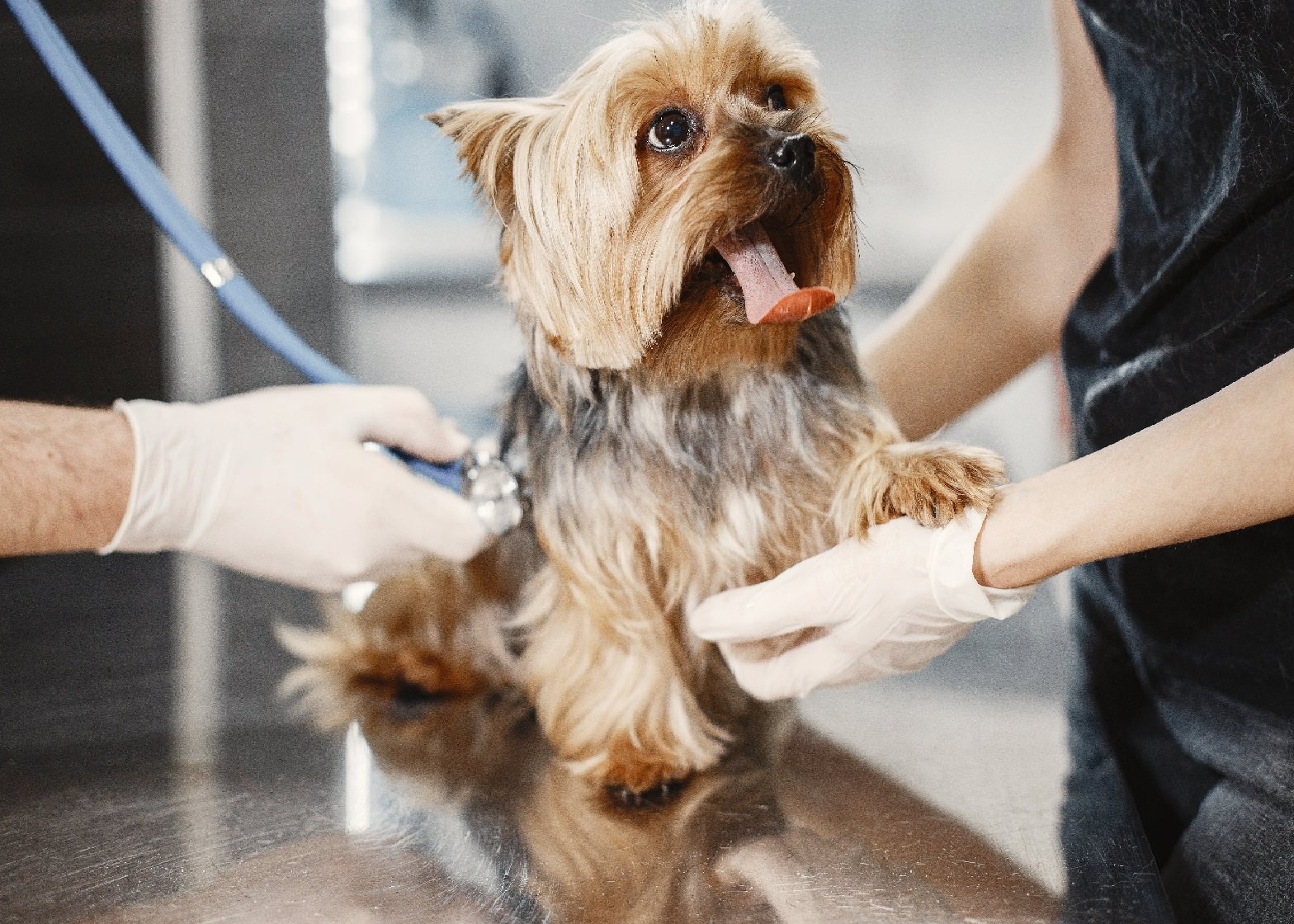
Introduction: Becoming a veterinary assistant is not only a rewarding career but also a stepping stone for further professional growth in the field of animal care. For those looking to take their career to the next level, graduate assistantship programs offer a unique opportunity to gain valuable experience, expand knowledge and skills, and open doors to exciting career prospects. In this blog post, we explore the benefits and possibilities that veterinary assistant graduate assistantship programs can provide.
1. What is a graduate assistantship program? A graduate assistantship program is a practical, hands-on training opportunity that allows individuals to work alongside experienced professionals while pursuing advanced education. These programs are often offered by universities or research institutions and provide a platform for aspiring veterinary assistants to gain practical experience and contribute to cutting-edge research or clinical work.
2. Benefits of a graduate assistantship program for veterinary assistants: a. Enhanced Practical Skills: Working closely with professionals in the field, graduate assistants acquire hands-on experience that compliments their theoretical knowledge gained during their studies. This practical training hones skills in animal handling, medical procedures, laboratory techniques, and client communication, making them well-rounded professionals. b. Networking Opportunities: Graduate assistantship programs present a unique chance to connect with leading experts and peers in the veterinary field. These connections can lead to mentorship, collaborations, and potential job opportunities in the future. c. Research and Innovation: Many graduate assistantship programs involve participating in research projects or clinical trials. This exposure not only expands knowledge in specialized areas but also contributes to advancements in animal care and treatments. d. Professional Development: Through attending conferences, workshops, and seminars, graduate assistants can enhance their knowledge base and stay up-to-date with the latest developments in veterinary medicine. This continuous learning helps them to provide even better care and support to animals and their owners.
3. How to find and apply for veterinary assistant graduate assistantship programs: a. Research: Begin by exploring universities, research institutions, or veterinary clinics that offer graduate assistantship programs. Look for programs that align with your area of interest or specialization. b. Application Process: The application process varies between institutions but typically involves submitting a resume, transcripts, letters of recommendation, and a statement of purpose outlining your goals and aspirations as a veterinary assistant. It is important to follow all application guidelines and deadlines. c. Interview and Selection: If shortlisted, you may be invited for an interview to assess your suitability for the program. Prepare by researching the institution and program and demonstrating your passion for the field. d. Financial Considerations: Some graduate assistantship programs offer financial support such as stipends, tuition waivers, or health benefits. It is essential to consider these factors when choosing a program that matches your financial needs.
4. Examples of veterinary assistant graduate assistantship programs: a. Wildlife Rehabilitation: Many universities or wildlife rescue centers offer graduate assistantship programs specializing in the care and rehabilitation of injured or orphaned wildlife. These programs provide hands-on experience working with various species and preparing them for successful release back into the wild. b. Veterinary Research: Research-focused graduate assistantship programs allow individuals to explore specific areas of veterinary medicine, such as infectious diseases, oncology, or genetics. These programs often involve collaboration with veterinary hospitals, universities, or research laboratories. c. Shelter Medicine: Graduate assistantship programs in shelter medicine focus on the health and welfare of animals in animal shelters or rescue organizations. Participants acquire skills in population management, disease control, behavior modification, and community outreach.
Conclusion: Embarking on a veterinary assistant graduate assistantship program can provide aspiring professionals with the opportunity to gain practical experience, expand their knowledge, and open doors to exciting career opportunities in animal care. By actively seeking out and applying to these programs, veterinary assistants can take their careers to the next level while making a significant contribution to the field of veterinary medicine. Seize this incredible chance to make a positive impact on the lives of animals and pursue your passion for veterinary care. You can also check following website for more information about this subject: http://www.petvetexpert.com
For more info http://www.qqhbo.com
this link is for more information http://www.assistantship.net


