The Role of a Veterinary Assistant in the Greenhouse Farming Industry
Category : |
Sub Category : Posted on 2023-10-30 21:24:53
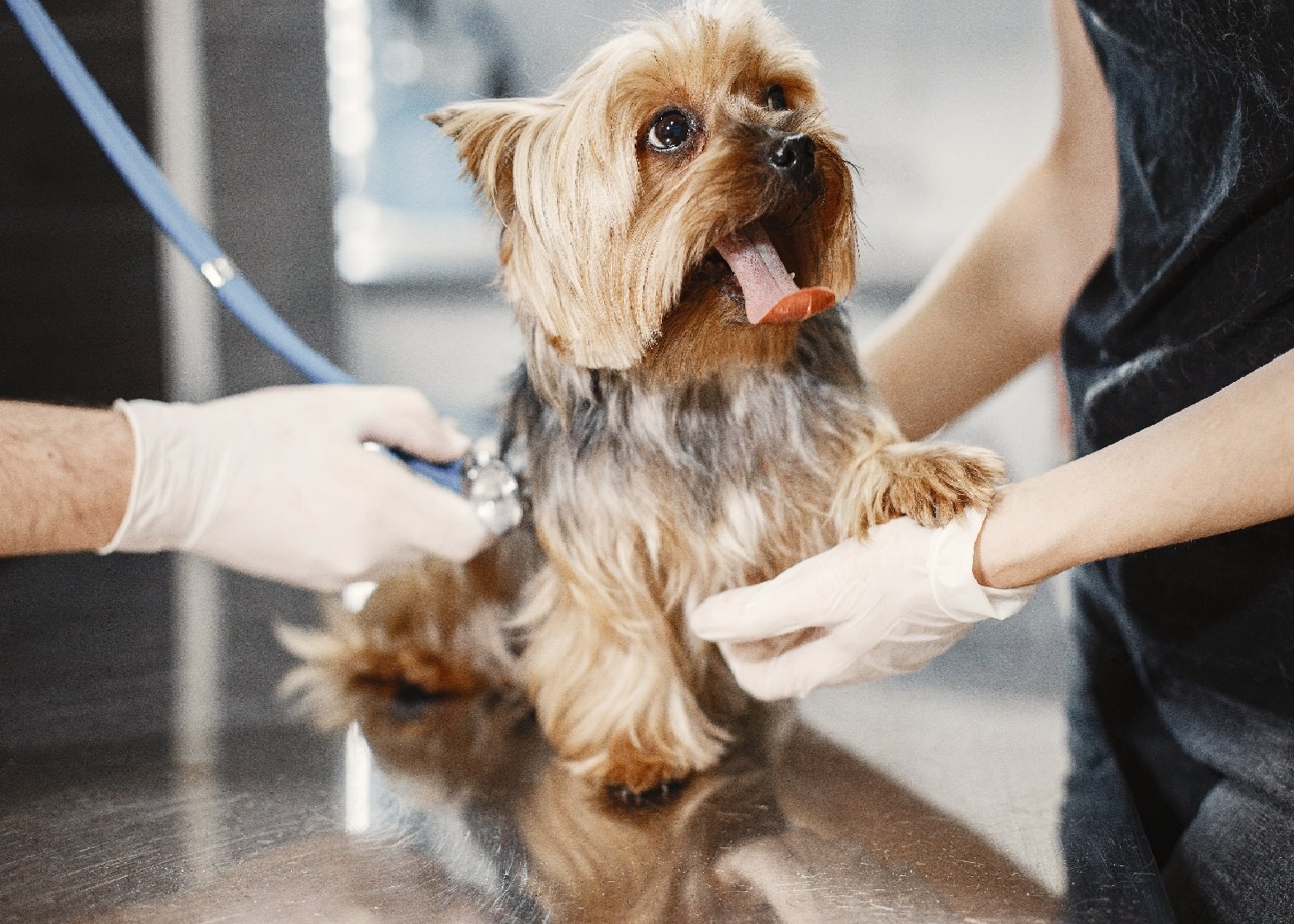
Introduction: Greenhouse farming has gained significant traction in recent years as a sustainable and efficient method of growing crops. It allows farmers to have greater control over environmental conditions, resulting in increased yields and reduced environmental impact. In this blog post, we will explore the role of a veterinary assistant in the greenhouse farming industry and how they contribute to the overall success of the operation. 1. Ensuring animal well-being: While greenhouse farming primarily focuses on plant cultivation, some livestock and small animals may be involved in the ecosystem. Veterinary assistants play a critical role in ensuring the health and well-being of these animals. They monitor their nutrition, provide vaccinations, administer medications, and respond to any signs of illness or distress. By ensuring animal welfare, veterinary assistants create a harmonious and sustainable ecosystem within the greenhouse. 2. Disease prevention and control: Disease control is crucial in greenhouse farming, as a single outbreak can spell disaster for the entire crop. Veterinary assistants work closely with the farmers to implement preventive measures, such as regular health checks and biosecurity protocols. They may also conduct screenings and carry out laboratory tests to detect and control any potential diseases that might affect the animals or pose a risk to the plants in the greenhouse. 3. Assisting with pest management: Pests can wreak havoc on greenhouse crops, causing significant losses and compromising the overall yield. Veterinary assistants work alongside farmers to develop integrated pest management strategies that minimize the use of synthetic pesticides and focus on eco-friendly alternatives. By identifying and addressing pest-related issues promptly, veterinary assistants help maintain a healthy and thriving plant environment within the greenhouse. 4. Educating farmers about animal health: Veterinary assistants act as a valuable resource for farmers, offering guidance and education regarding animal health and care. They provide information about proper feeding practices, hygiene, and disease prevention measures. By equipping farmers with knowledge and best practices, veterinary assistants empower them to make informed decisions, resulting in improved animal health and larger yields. 5. Collaborating with other professionals: Greenhouse farming is a complex operation that requires collaboration between various professionals, including agricultural scientists, horticulturists, and environmental specialists. Veterinary assistants actively participate in interdisciplinary teams, contributing their expertise in animal health and well-being. Through effective communication and cooperation, these professionals collectively work towards enhancing the overall productivity and sustainability of the greenhouse. Conclusion: In the rapidly evolving field of greenhouse farming, the role of a veterinary assistant is instrumental in maintaining a sustainable, disease-free, and productive environment. Their responsibilities encompass animal health and welfare, disease control, pest management, and farmer education. Veterinary assistants are invaluable contributors to the success of greenhouse operations, ensuring optimal conditions for both plants and animals within this innovative farming system. Uncover valuable insights in http://www.petvetexpert.com to Get more information at http://www.qqhbo.com Find expert opinions in http://www.xfarming.com


