Bridging Borders: The Role of Veterinary Assistants in International Conflicts and Diplomacy
Category : |
Sub Category : Posted on 2023-10-30 21:24:53
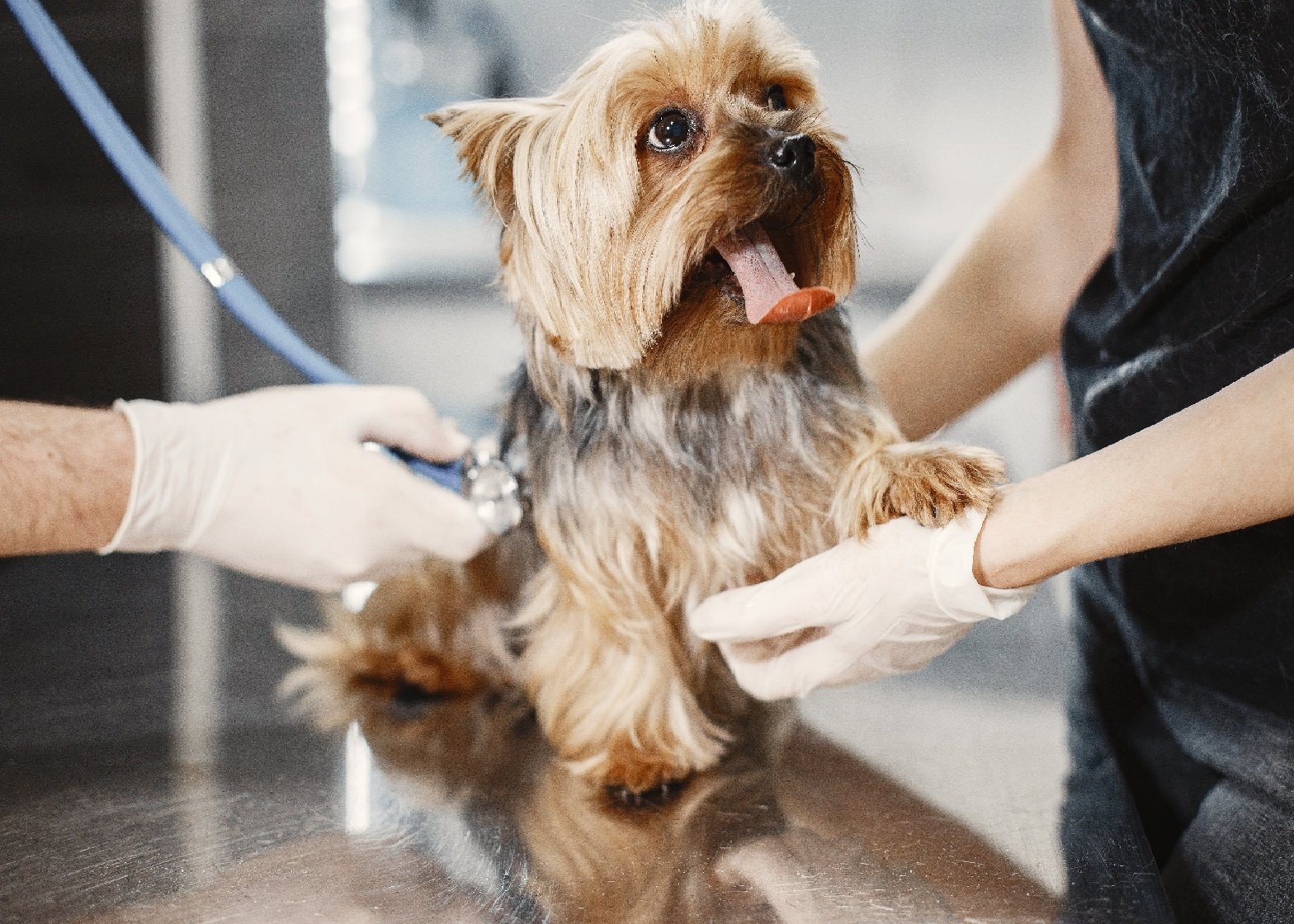
Introduction: In times of global conflict and diplomatic tensions, it is not uncommon for various sectors to play a role in easing international tensions. Veterinary assistants may not be the first profession that comes to mind in this context, but their expertise and contribution within these challenging circumstances should not be overlooked. In this blog post, we will explore the critical role veterinary assistants play in international conflicts and diplomacy and the impact they have on both humans and animals in these situations. 1. Humanitarian Aid Efforts: During times of international conflict, humanitarian aid becomes a top priority. It is crucial to ensure the well-being of affected populations, including not only humans but also animals. Veterinary assistants play a significant role in providing medical support to both domestic and wild animals in conflict zones. They help establish and maintain veterinary clinics and field hospitals, ensuring that animals receive essential care, vaccinations, and medical treatments. This humanitarian aid not only helps alleviate animal suffering but also ensures the protection of public health by preventing the transmission of zoonotic diseases. 2. Bridge of Communication: In the realm of diplomacy, veterinary assistants act as a vital link between nations. With their expertise in animal health and welfare, they can contribute valuable insights during negotiations on international trade of animals and animal products. These professionals help navigate complex regulations, facilitate the exchange of information, and promote harmonization of veterinary standards and protocols. By serving as a bridge of communication, veterinary assistants contribute significantly to diplomatic efforts aimed at enhancing international cooperation and resolving conflicts related to animal-related trade issues. 3. Promoting Animal Welfare: In conflict zones, animals are often the silent victims, suffering from displacement, abuse, and neglect. Veterinary assistants work tirelessly to provide relief and prioritize the welfare of animals caught in these situations. Their presence is not only valuable for immediate support but also for laying the foundation for long-term recovery and rebuilding efforts. By promoting and implementing animal welfare initiatives, veterinary assistants contribute to the healing process of communities affected by conflict, fostering a sense of compassion and empathy. 4. Strengthening Diplomatic Ties: The collaboration and cooperation required during international conflicts create opportunities for diplomacy. Veterinary assistants, through their work, can foster positive diplomatic relations by engaging in joint ventures with international organizations and governments. By participating in shared research projects, workshops, and conferences, they facilitate trust-building and the exchange of scientific knowledge. Such interactions help strengthen diplomatic ties by promoting understanding, knowledge transfer, and cooperation between nations. Conclusion: The significance of veterinary assistants in international conflicts and diplomacy cannot be underestimated. They play a crucial role in ensuring the health and welfare of animals, promoting humanitarian aid efforts, facilitating diplomatic negotiations, and strengthening international cooperation. By recognizing their contributions and empowering them in their roles, we can create a more compassionate and integrated approach to conflict resolution, ensuring the well-being of both humans and animals affected by international tensions. Get a well-rounded perspective with http://www.petvetexpert.com Curious to learn more? Click on http://www.culturepolitics.com Dropy by for a visit at the following website http://www.qqhbo.com


