Large-Scale SVM Training for Image Classification: A Game-Changer for Veterinary Assistants
Category : |
Sub Category : Posted on 2023-10-30 21:24:53
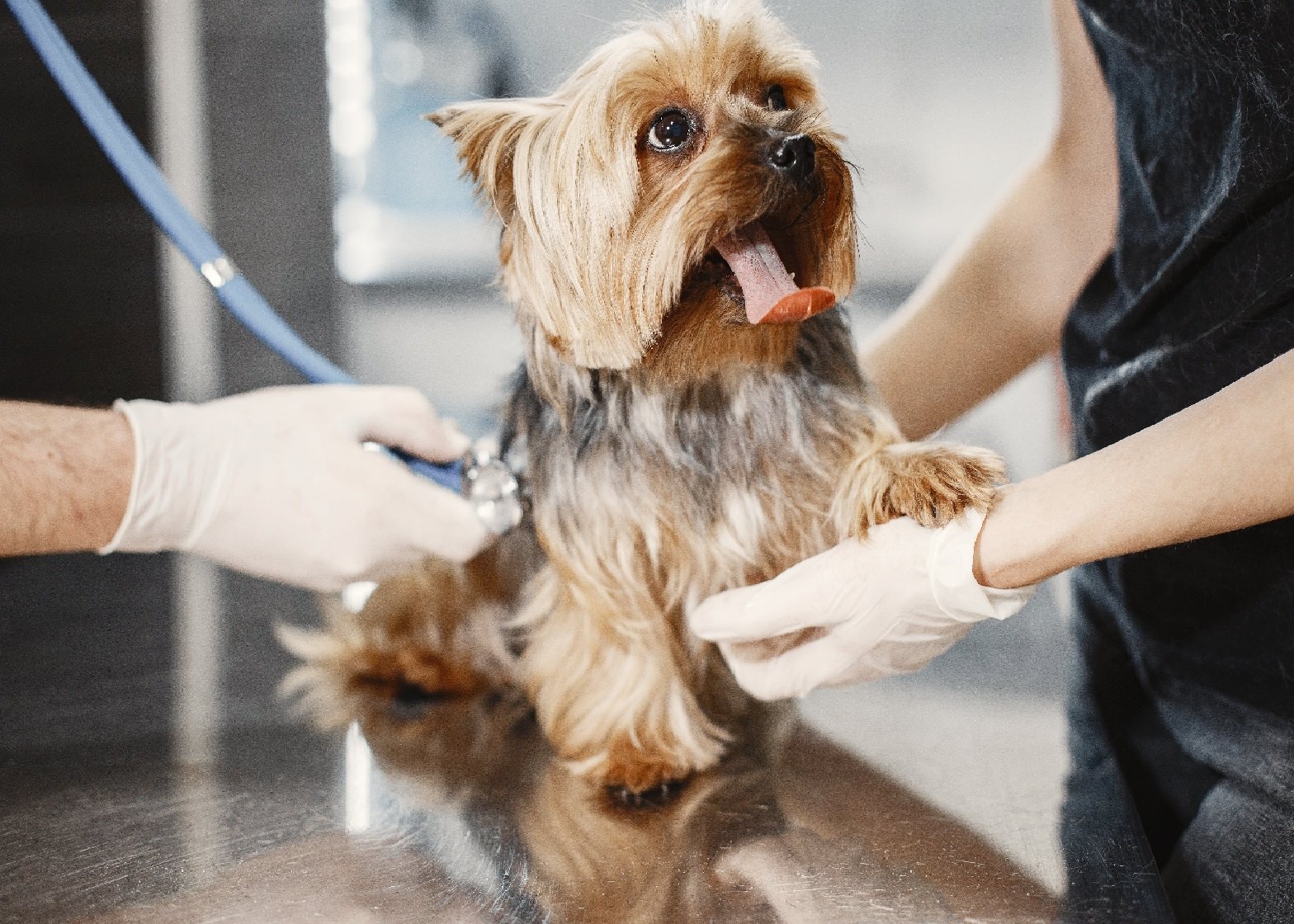
Introduction: As technological advancements continue to reshape various industries, the field of veterinary medicine is no exception. One such development that has revolutionized the way veterinary assistants handle tasks is large-scale support vector machine (SVM) training for image classification. This cutting-edge technology has paved the way for faster and more accurate identification of diseases, enabling veterinary professionals to provide better care for animals. In this article, we will delve into the benefits of large-scale SVM training for images and highlight its potential applications in the realm of veterinary assistance. Understanding Large-Scale SVM Training: Support Vector Machines (SVM) are machine learning algorithms widely used for classification and regression analysis. They are particularly effective in image recognition tasks. Large-scale SVM training refers to training SVM models using a massive amount of image data, which helps improve their accuracy and generalizability. This training process involves feeding the SVM algorithm with hundreds of thousands, if not millions, of labeled images to learn patterns and make predictions. Improved Disease Diagnosis: One of the key applications of large-scale SVM training for veterinary assistants is in disease diagnosis. By training SVM models on diverse image datasets containing instances of different diseases and conditions, veterinary assistants can now identify diseases in animals with higher accuracy and speed. This technology helps to pinpoint subtle symptoms that might be overlooked by human eyes, leading to earlier intervention and better treatment outcomes. Efficient Veterinary Imaging: Veterinary imaging, such as X-rays or ultrasounds, is indispensable for diagnosing internal issues in animals. Large-scale SVM training can significantly speed up the process of image analysis. By training SVM models with vast datasets of labeled images, veterinary assistants can build a highly efficient image classification system. This system can automatically recognize anatomical structures and abnormalities in X-ray or ultrasound images, reducing the time spent on manual inspection and enhancing productivity. Detecting Parasitic Infections: Detecting parasitic infections is another area where large-scale SVM training has made significant strides in veterinary assistance. By training SVM models on a vast collection of annotated images of parasites, veterinary assistants can swiftly identify and classify different types of parasites infecting animals. This early detection enhances timely treatment and prevents the spread of contagious diseases. Streamlining Surgical Procedures: Large-scale SVM training has also proved invaluable in streamlining surgical procedures for veterinary assistants. By training SVM models on extensive datasets comprising different surgical procedures and anatomical variations, veterinary assistants can receive real-time guidance during surgeries. This technology can help identify critical structures, guide incision placements, and assist in minimizing operative complications. Conclusion: Large-scale SVM training for image classification has transformed the field of veterinary assistance in numerous ways. From enhanced disease diagnosis and efficient veterinary imaging to improved detection of parasitic infections and streamlined surgical procedures, the application of large-scale SVM training offers substantial benefits to veterinary assistants. As this technology continues to evolve, we can expect further advancements that will empower veterinary professionals to provide even better care for our furry friends. To get a better understanding, go through http://www.petvetexpert.com For comprehensive coverage, check out http://www.vfeat.com Also Check the following website http://www.qqhbo.com


