Exploring Malian Cuisine: A Veterinary Assistant's Guide
Category : |
Sub Category : Posted on 2023-10-30 21:24:53
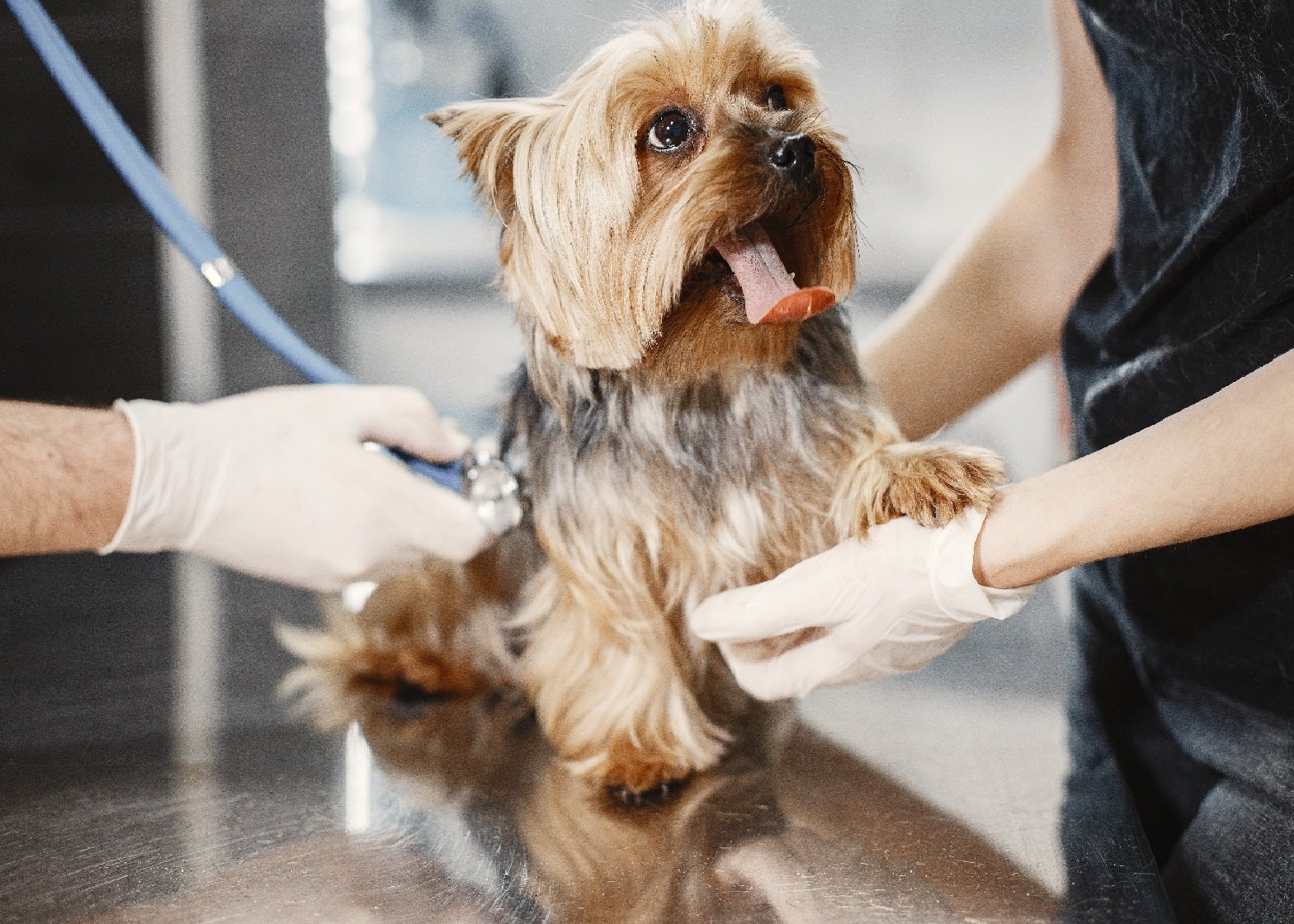
Introduction: As a veterinary assistant, your love for animals extends beyond the clinic and spills over into all aspects of your life. This includes exploring various cultures, and what better way to do so than through their cuisine? In this blog post, we will take a culinary journey to Mali, a vibrant West African country known for its rich history, stunning landscapes, and mouthwatering local dishes. Join us as we delve into the world of Malian cuisine and discover the flavors and ingredients that make it truly unique. 1. Understanding Malian Cuisine: Malian cuisine is an amalgamation of flavors and techniques derived from both local traditions and influences from neighboring countries such as Senegal, Guinea, and Ivory Coast. It revolves around staple ingredients like millet, rice, sorghum, and corn, as well as an array of vegetables, meats, and fish. The result is a delightful blend of textures and flavors that will leave your taste buds wanting more. 2. Classic Malian Dishes: When it comes to Malian cuisine, there are several dishes that stand out and represent the essence of the country's culinary heritage. One of these is "Bitter Leaf Stew," a hearty concoction made with meat or fish, vegetables, and the bitter leaves from the vernonia plant. This dish is often served with a side of fufu, a starchy staple made from cassava, plantains, or yams. Another popular dish is "Plasas," which is a spinach-based stew featuring smoked fish, dried shrimp, and various vegetables. Plasas is typically accompanied by a side of rice or couscous, adding a touch of texture and satisfaction to the meal. 3. Traditional Malian Ingredients: To truly capture the essence of Malian cuisine, it's essential to familiarize yourself with the region's key ingredients. Millet, a nutritious grain commonly used in porridges and beverages, is a staple in many Malian households. It is not only gluten-free but also packs a punch with its high protein and fiber content. Shea butter, derived from the nuts of the shea tree, is another prominent ingredient in Malian cuisine. Besides being used for cosmetic purposes, shea butter is used in cooking and adds a distinct rich and nutty flavor to dishes. 4. Embracing Malian Cuisine as a Veterinary Assistant: As a veterinary assistant, you are passionate about supporting animal welfare and promoting balanced diets for our furry friends. While exploring new cuisines is exciting, it is essential to remember that pets have specific dietary needs. Many Malian dishes contain spices, seasonings, and ingredients that may not be suitable for animals. It's essential to avoid giving them these foods and stick to pet-friendly options. Conclusion: Exploring different cultures through their cuisine can be a fantastic way to broaden your horizons as a veterinary assistant. Malian cuisine, with its flavorful dishes and unique ingredients, offers a window into the country's rich heritage and culinary delights. Venture into this West African gastronomic journey, savor the flavors, and appreciate the diversity that exists both in the animal kingdom and on our plates. also this link is for more information http://www.petvetexpert.com Dive into the details to understand this topic thoroughly. http://www.africalunch.com Have a visit at http://www.qqhbo.com


