How Mobile Devices are Revolutionizing Veterinary Assistance
Category : |
Sub Category : Posted on 2023-10-30 21:24:53
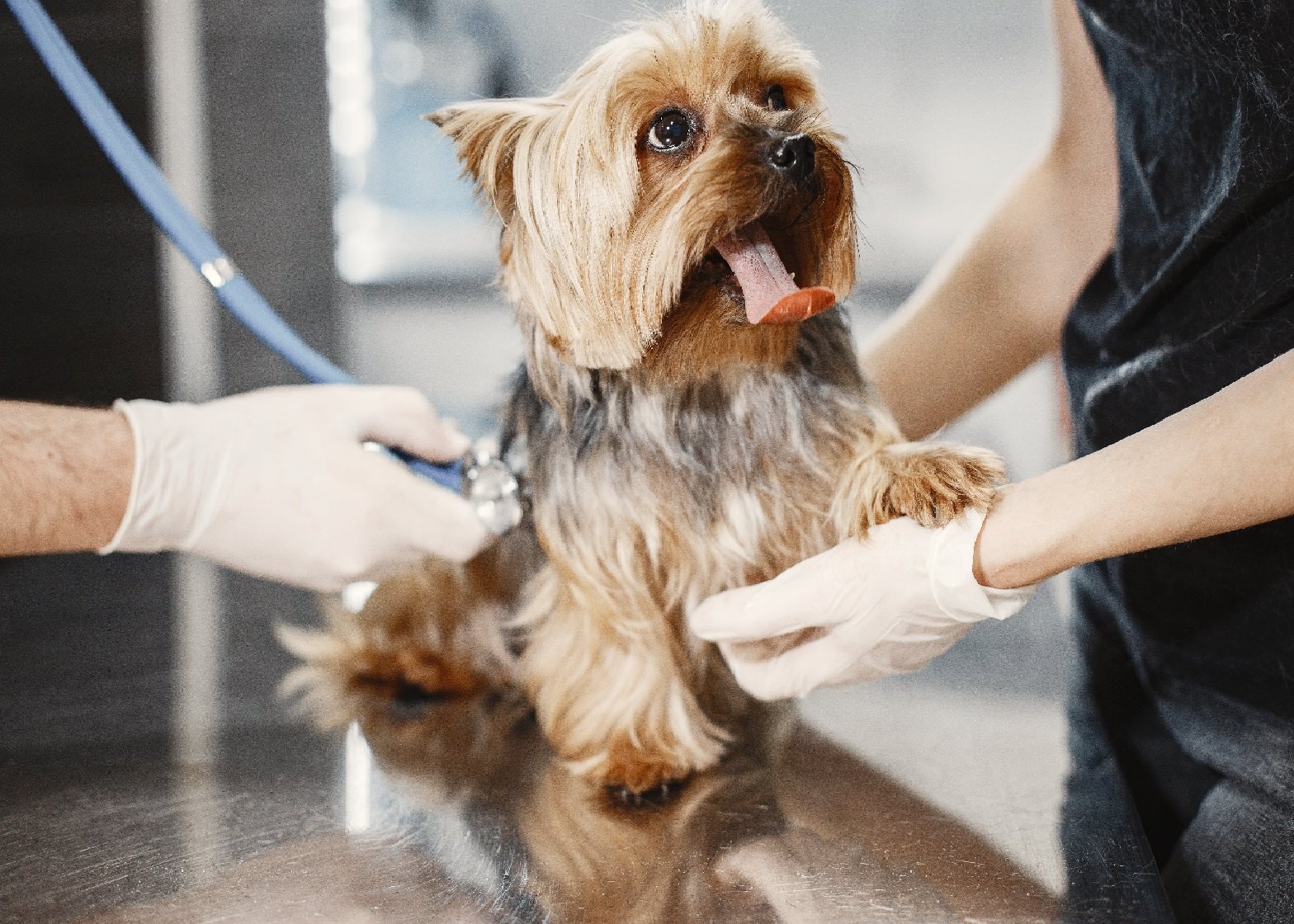
Introduction: Mobile devices have become an integral part of our daily lives, with their convenience and functionality extending to almost every industry. The field of veterinary assistance is no exception. With the advent of smartphones and tablets, veterinary professionals can now leverage these mobile devices to improve their practice, enhance communication with clients, and provide better care for animals. In this blog post, we will explore how mobile devices are revolutionizing the role of veterinary assistants and transforming the veterinary industry as a whole. 1. Streamlining Administrative Tasks: One of the primary benefits of mobile devices for veterinary assistants is the ability to streamline administrative tasks. With mobile apps designed specifically for veterinary clinics, assistants can easily manage appointments, schedule reminders, and organize essential client information, all from the palm of their hand. This not only saves time but also improves efficiency by eliminating the need for paper-based systems. 2. Access to On-Demand Information: Mobile devices allow veterinary assistants to have instant access to a world of information at their fingertips. With veterinary-specific apps, they can quickly research medications, check drug dosages, and access medical records. This ensures that assistants are always well-informed, making them better equipped to support veterinarians during examinations and treatments. 3. Enhanced Communication with Colleagues and Clients: Effective communication is crucial in the veterinary field, and mobile devices help bridge the gap between veterinary assistants, colleagues, and clients. With features such as instant messaging, video calls, and email, veterinary assistants can easily collaborate with other team members, discuss cases, and seek advice when needed. Mobile devices also enable assistants to communicate with clients more efficiently, sending appointment reminders, sharing treatment plans, and providing updates on their pet's condition. 4. Managing Electronic Medical Records: Gone are the days of bulky paper files. Mobile devices have paved the way for electronic medical records (EMRs), which allow veterinary assistants to store and retrieve patient information securely. EMR apps enable assistants to update medical records in real-time, making them easily accessible to the entire veterinary team. This ensures seamless coordination between assistants, veterinarians, and other staff members, leading to improved patient care. 5. Educational Resources and Continuing Education: Mobile devices have opened up a world of educational resources for veterinary assistants. Numerous apps and online platforms provide access to a wealth of veterinary journals, textbooks, and interactive learning materials. Additionally, many veterinary associations offer mobile continuing education courses that assistants can complete on the go, further expanding their knowledge and skill set. Conclusion: Mobile devices have revolutionized the role of veterinary assistants by improving productivity, communication, and access to information. With the convenience and versatility offered by smartphones and tablets, these devices are essential tools for veterinary assistants to provide superior care for animals. As technology continues to advance, we can only expect mobile devices to become even more integrated into every aspect of veterinary practice, further enhancing the role of veterinary assistants in the future. To get a different viewpoint, consider: http://www.petvetexpert.com Click the following link for more http://www.qqhbo.com To understand this better, read http://www.nwsr.net


