Nutrient-Dense Foods: The Key to a Healthy Veterinary Assistant Lifestyle
Category : |
Sub Category : Posted on 2023-10-30 21:24:53
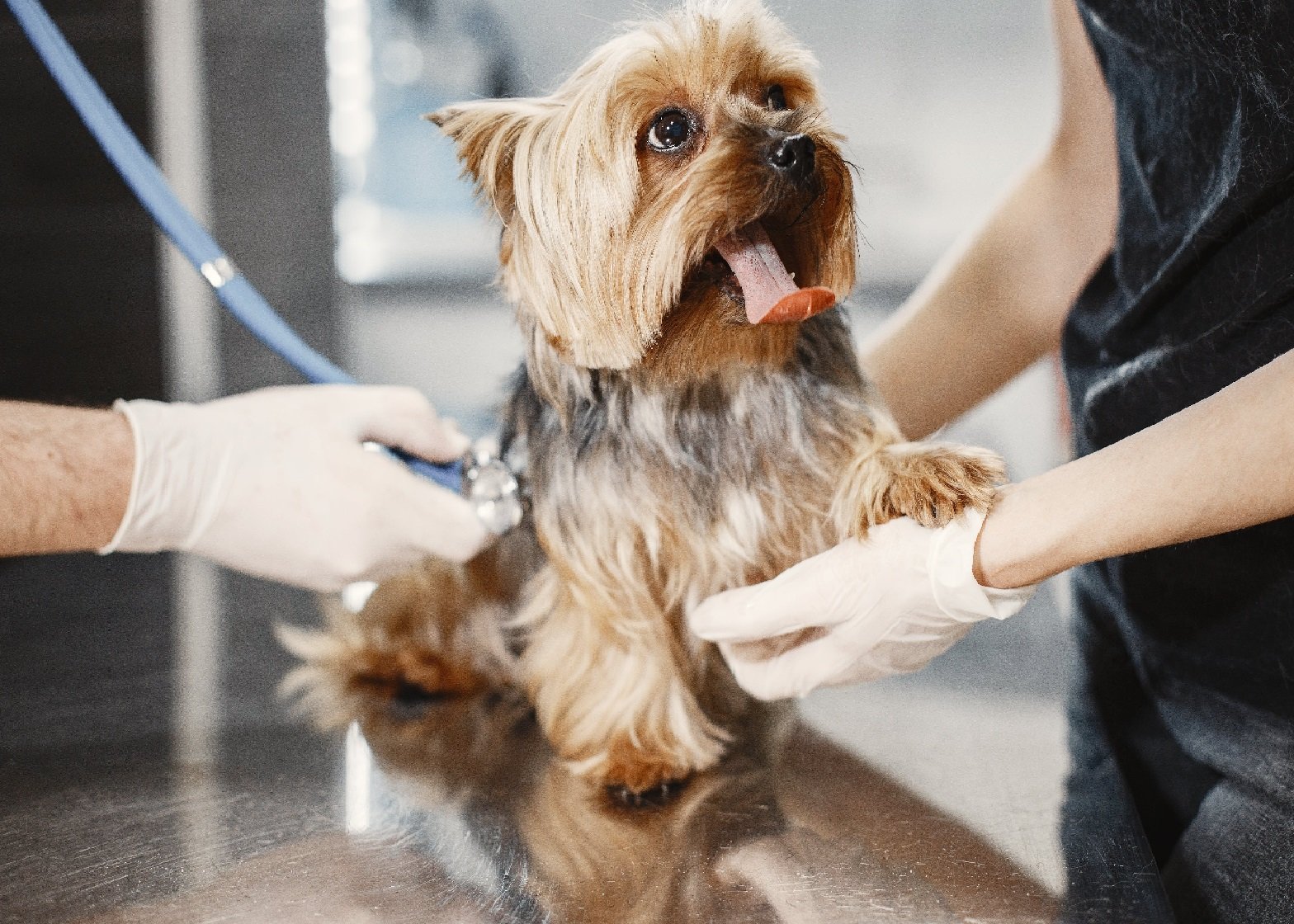
Introduction: As a veterinary assistant, you undoubtedly lead a busy and physically demanding lifestyle. From assisting in surgeries to tending to the needs of animals, your job requires you to be at the top of your game both mentally and physically. To perform your best and maintain optimal well-being, it's crucial to fuel your body with nutrient-dense foods that provide ample energy, nutrients, and support your immune system. In this blog post, we will explore the importance of nutrient-dense foods and provide a list of top choices for veterinary assistants. Why Nutrient-Dense Foods Matter: Nutrient-dense foods are those that provide a high concentration of vitamins, minerals, and antioxidants while keeping calorie content relatively low. These foods are crucial to maintaining good health and supporting the body's functions. As a veterinary assistant, your work often involves long hours and physical activity, making it essential to fuel your body with the right nutrients. Nutrient-dense foods can help boost your energy levels, enhance your immune system, and support overall well-being. Top Nutrient-Dense Foods for Veterinary Assistants: 1. Leafy Greens: Leafy greens such as spinach, kale, and Swiss chard are excellent choices for their high vitamin and mineral content. They are low in calories and rich in antioxidants that protect your body against free radicals, reducing the risk of chronic diseases. 2. Berries: Berries like blueberries, strawberries, and blackberries are nutritional powerhouses packed with antioxidants and vitamins. They also contain dietary fiber, which aids digestion and helps maintain a healthy weight. Berries are a convenient and delicious snack for busy veterinary assistants. 3. Lean Proteins: Including lean proteins like chicken, fish, and tofu in your diet provides essential amino acids for muscle repair and growth. These sources also contain nutrients like omega-3 fatty acids, which have anti-inflammatory properties and support brain health. 4. Whole Grains: Whole grains such as quinoa, brown rice, and oats are loaded with fiber, vitamins, and minerals. They provide sustained energy, help control blood sugar levels, and support healthy digestion. Whole grain options are perfect for veterinary assistants needing long-lasting fuel to get through demanding workdays. 5. Nuts and Seeds: Nuts and seeds, including almonds, walnuts, flaxseeds, and chia seeds, are nutrient-dense snacks that offer a healthy dose of essential fatty acids, minerals, and fiber. They promote cardiovascular health, brain function, and satiety, making them a perfect addition to your workday routine. 6. Greek Yogurt: Greek yogurt is a protein-rich food that also contains beneficial probiotics. It supports gut health, strengthens the immune system, and aids in maintaining a healthy weight. Choose plain or low-sugar varieties and pair them with fruits or nuts for a wholesome snack. Conclusion: As a veterinary assistant, providing the best care for animals starts with taking care of yourself. Incorporating nutrient-dense foods into your diet is a simple yet effective way to support your overall health and well-being. By making conscious choices and including leafy greens, berries, lean proteins, whole grains, nuts and seeds, and Greek yogurt in your diet, you'll fuel your body with the essential nutrients it needs to excel in your demanding role. Remember, a healthy veterinary assistant leads to better care for our beloved animal companions. Explore this subject further by checking out http://www.petvetexpert.com Seeking in-depth analysis? The following is a must-read. http://www.deleci.com Uncover valuable insights in http://www.eatnaturals.com Get a comprehensive view with http://www.qqhbo.com For more info http://www.biofitnesslab.com Discover more about this topic through http://www.mimidate.com


