The Role of Veterinary Assistants in Volatility Trading: A Surprising Connection
Category : |
Sub Category : Posted on 2023-10-30 21:24:53
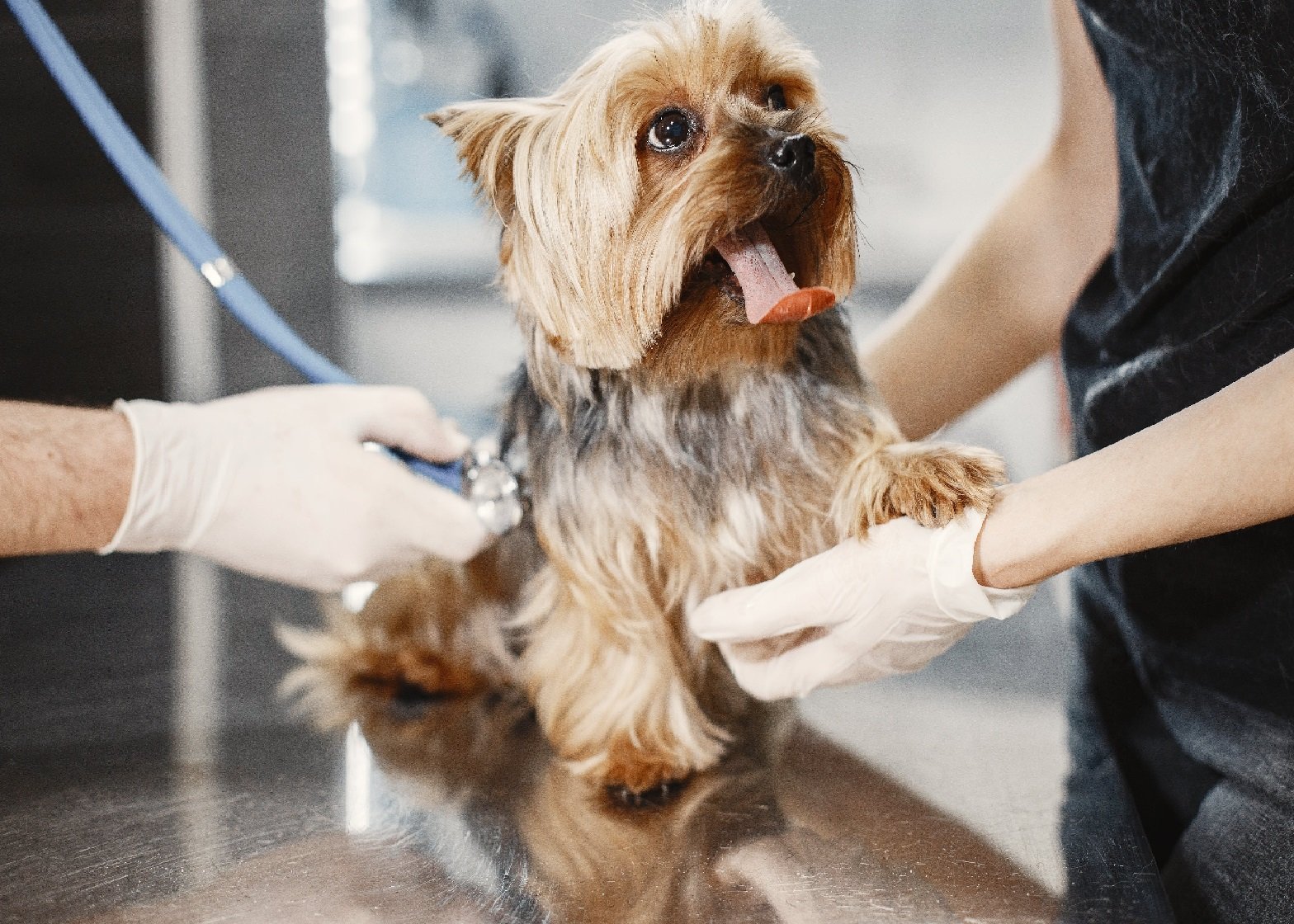
Introduction: While the worlds of veterinary assistance and finance may appear worlds apart, there is an intriguing relationship between the two that often goes unnoticed. Volatility trading, a specific trading strategy focusing on capitalizing on market fluctuations, actually shares some parallels with the role of veterinary assistants in the animal care industry. In this article, we will explore the surprising parallels between being a veterinary assistant and understanding volatility trading, highlighting the skillsets and attributes that overlap in these seemingly unrelated fields. 1. Adaptability and Quick Decision-Making: Veterinary assistants are well acquainted with the need for quick thinking and adaptability. In a dynamic environment like a veterinary clinic, they frequently encounter unforeseen medical emergencies and unpredictable patient requirements. Similarly, successful volatility traders need sharp decision-making abilities and the ability to adapt to rapidly changing market conditions. Both vocations demand professionals who can calmly analyze situations and make well-informed decisions in the best interest of their patients or trades. 2. Attention to Detail: Veterinary assistants are responsible for attending to various details, such as recording vital signs, monitoring responses to treatments, and maintaining accurate documentation. Similarly, volatility traders meticulously analyze market data, charts, and indicators to identify patterns and signals that drive trading decisions. Both professions require individuals who pay close attention to detail, as even the smallest oversight can have significant consequences. 3. Compassion and Empathy: Veterinary assistants often find themselves providing emotional support not only to animals but also to their owners during difficult times. Demonstrating compassion and empathy is crucial, especially when dealing with distressed pet owners. Similarly, in the volatile world of trading, empathy and emotional control play a significant role. Traders need to understand the emotions driving market participants and maintain composure to make rational decisions. 4. Continuous Learning and Adaptation: Both veterinary assistants and volatility traders operate in industries that are continually evolving. Veterinarians frequently introduce new medical techniques and technologies to enhance animal care, while volatility traders need to adapt to ever-changing market dynamics. Professionals in both fields must embrace a mindset of continuous learning, keeping up with industry trends and seeking opportunities to improve their skills and knowledge. Conclusion: Though veterinary assistance and volatility trading may seem unrelated at first glance, the underlying attributes shared by professionals in both fields reveal an unexpected connection. The adaptability, quick decision-making, attention to detail, compassion, and continuous learning are traits that empower individuals to excel in veterinary clinics and financial markets alike. By recognizing the overlapping skillsets and qualities, veterinary assistants can appreciate the transferable skills they possess, and those interested in volatility trading can explore the potential synergy between these seemingly disparate fields. Also Check the following website http://www.petvetexpert.com Seeking answers? You might find them in http://www.optioncycle.com To find answers, navigate to http://www.qqhbo.com


