The Role of Veterinary Assistants in the Textile Industry of Indonesia
Category : |
Sub Category : Posted on 2023-10-30 21:24:53
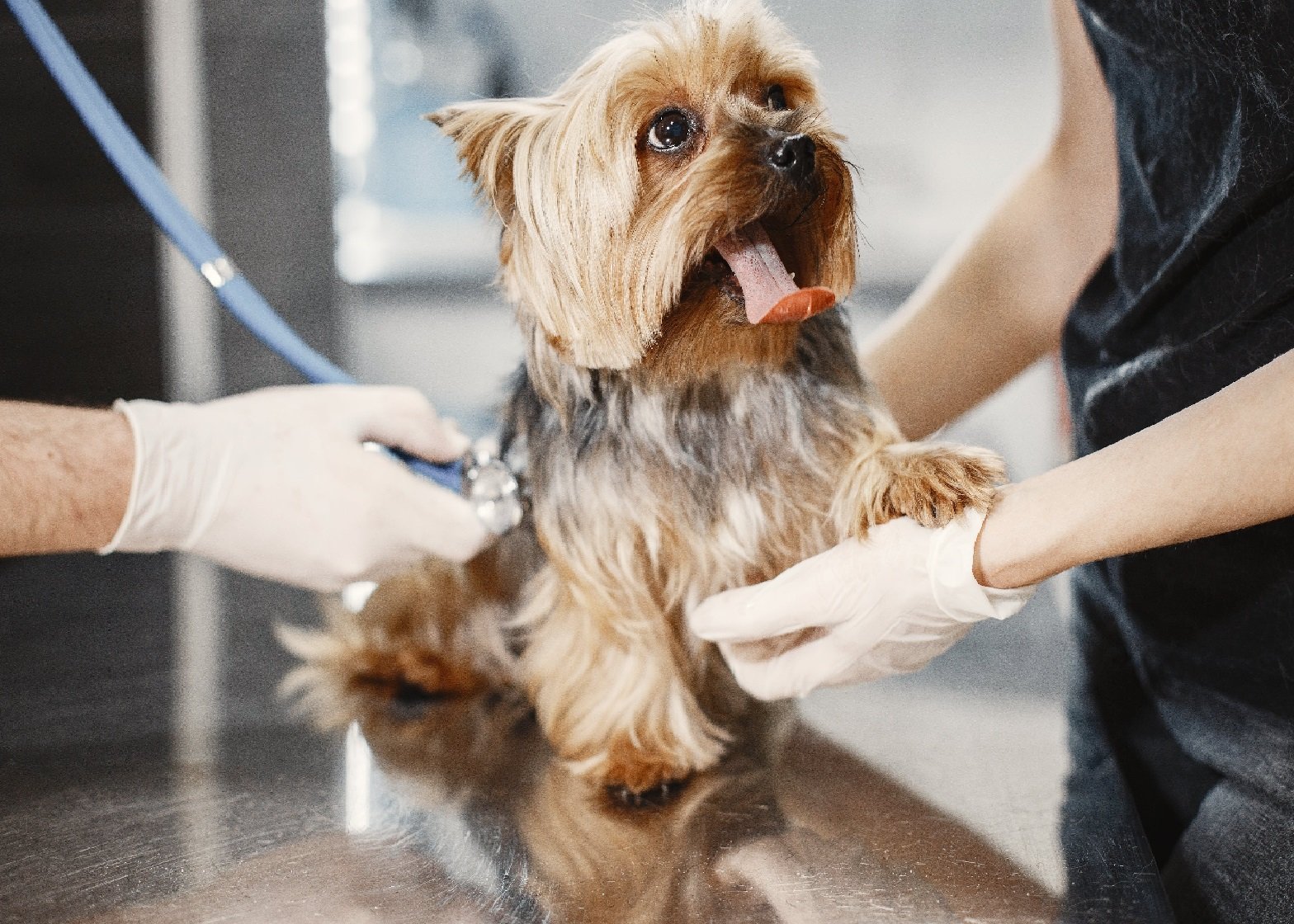
Introduction: The textile industry plays a significant role in Indonesia's economy, employing millions of people and contributing to the country's overall development. While one might not immediately associate veterinary assistants with this industry, their role behind the scenes is crucial for ensuring the well-being of the animals involved in the production of textiles. In this blog post, we will explore the vital role played by veterinary assistants in the textile industry of Indonesia. 1. Animal Welfare in Textile Production: The textile industry involves various stages, including wool and fiber production, spinning, weaving, and dyeing. Throughout these processes, animals like sheep, alpacas, and goats are often involved in providing the raw materials for the textiles. Veterinary assistants play a vital role in ensuring the proper treatment and welfare of these animals, from ensuring their vaccination schedules are up to date to monitoring their health and well-being. 2. Animal Health and Preventive Care: In any industry that involves animals, it is essential to have trained veterinary personnel to provide preventive care and handle any health issues. Veterinary assistants in the textile industry work closely with veterinarians to conduct regular check-ups, administer vaccinations, and provide general care for the animals involved. They monitor the animals' nutrition, provide medications when necessary, and ensure appropriate living conditions. 3. Disease Control and Management: Disease outbreaks can be devastating in the textile industry, affecting both animal welfare and the quality of the textiles produced. Veterinary assistants play a crucial role in disease control and management, implementing sanitation protocols, monitoring animals for any signs of illness, and promptly addressing any health concerns. Their expertise in identifying and handling contagious diseases helps protect the animals, prevent the spread of infections, and maintain the quality of the final textile products. 4. Ethical Considerations in the Textile Industry: Consumers are increasingly demanding transparency and sustainability in the products they purchase, including textiles. Veterinary assistants ensure ethical considerations in the textile industry are met by ensuring the animals involved are treated humanely and with respect. They work closely with animal welfare organizations, industry stakeholders, and government bodies to establish and implement guidelines for ethical production practices. Conclusion: The role of veterinary assistants in the textile industry of Indonesia might be lesser-known but is undoubtedly crucial. Their expertise in animal health and welfare ensures that the animals involved in textile production are properly cared for and their well-being is prioritized. By having dedicated veterinary assistants in place, the industry can not only safeguard animal health but also meet consumer demands for ethical and sustainable production practices. Their contribution is indispensable in maintaining the integrity and reputation of the Indonesian textile industry as it continues to thrive. For a deeper dive, visit: http://www.petvetexpert.com For a broader exploration, take a look at http://www.qqhbo.com To get more information check: http://www.tokoeasy.com


